Eiffel Tower History:
The Incredible Story Behind Paris’ Most Famous Landmark
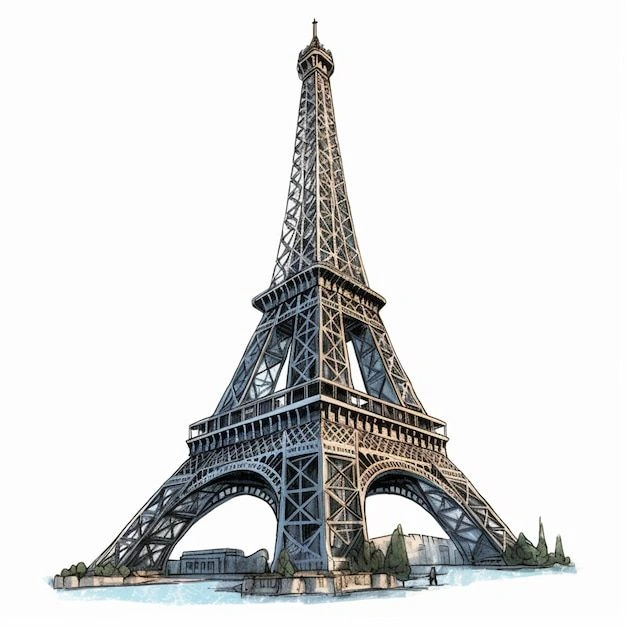
The Eiffel tower is more than just a towering structure of iron—it is the heart of Paris and one of the most recognized landmarks in the world. Millions of people visit it every year, but have you ever wondered how it came to exist? The history of the Eiffel tower is filled with bold ideas, public criticism, engineering brilliance, and unexpected success. Like a tree that starts as a tiny seed before growing into something magnificent, the Eiffel tower began as a temporary project but eventually became an everlasting symbol of France. Let’s explore its remarkable journey.
1. Introduction to the Eiffel Tower
Standing proudly in the heart of Paris, the Eiffel tower has become one of the world’s most beloved landmarks. It welcomes millions of visitors each year and represents French culture, creativity, and innovation. While many admire its beauty, its history is just as fascinating as its appearance.
2. Why the Eiffel Tower Was Built
The Eiffel tower was built for the 1889 Exposition Universelle, also known as the World’s Fair. This international event celebrated the 100th anniversary of the French Revolution. France wanted to showcase its industrial progress and engineering skills by creating a structure unlike anything the world had ever seen.
The organizers launched a competition to design the fair’s centerpiece, and the proposal submitted by Gustave Eiffel’s company was chosen. The goal was to create a monument that demonstrated France’s leadership in engineering and architecture.
3. Gustave Eiffel and His Vision
Although the tower carries Gustave Eiffel’s name, the original design came from engineers Maurice Koechlin and Émile Nouguier, who worked for Eiffel’s engineering company. Architect Stephen Sauvestre later refined the design by adding decorative features.
Gustave Eiffel believed the tower would represent modern engineering and scientific progress. He defended the project against critics and invested both his reputation and resources to ensure its success.
4. Construction of the Tower
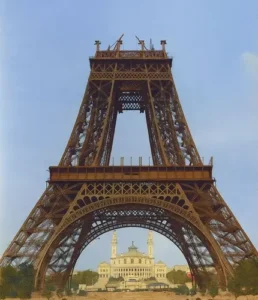
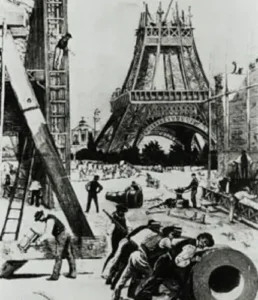
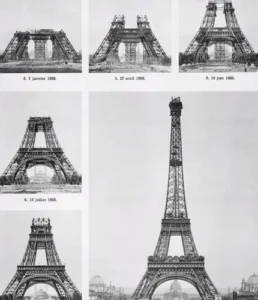
Construction started in January 1887 and finished in March 1889, lasting a little over two years. Nearly 18,000 individual iron pieces were carefully manufactured and assembled using more than 2.5 million rivets.
Around 300 workers helped build the tower. Considering the height and technology available at the time, the project was completed with remarkably few accidents. Every piece was measured precisely before installation, making the tower an outstanding engineering achievement.
5. Public Reaction During Construction
Believe it or not, many people disliked the Eiffel tower before it was finished. Several famous artists and writers signed petitions calling it an eyesore that would ruin Paris’ beautiful skyline.
However, Gustave Eiffel remained confident. Once construction was complete and visitors experienced the breathtaking views from the top, public opinion quickly changed. The very structure that many had rejected soon became the city’s greatest attraction.
6. The 1889 World’s Fair
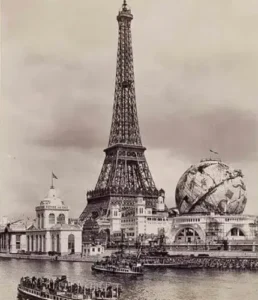
The Eiffel tower officially opened on March 31, 1889, just before the World’s Fair began. During the exhibition, millions of visitors came to admire the remarkable structure.
At 300 meters (984 feet) tall, it was the tallest man-made structure in the world until the Chrysler Building in New York surpassed it in 1930. The tower instantly became the highlight of the exhibition and attracted international attention.
7. Engineering Achievements
The Eiffel tower was an engineering masterpiece for its time. Its curved iron framework allows wind to pass through efficiently, reducing pressure and improving stability. Even during strong storms, the tower moves only slightly.
The tower also expands and contracts with temperature changes. On hot summer days, its height can increase by several centimeters due to thermal expansion. These carefully planned engineering features continue to impress architects and engineers today.
8. From Temporary Structure to National Icon
Interestingly, the Eiffel tower was originally intended to stand for only 20 years. After that, it was supposed to be dismantled.
Fortunately, Gustave Eiffel recognized its scientific value. The tower became an ideal location for meteorological studies and wireless radio experiments. Its usefulness for communication, especially during military operations, convinced authorities to preserve it permanently.
This decision transformed a temporary exhibition structure into one of the world’s greatest landmarks.
9. The Eiffel Tower During Major Historical Events
Throughout its history, the Eiffel tower has witnessed many important moments.
During World War I, it played a valuable role in military communications by transmitting radio signals. During World War II, French resistance fighters famously cut the elevator cables before German forces arrived, making it difficult for occupying officials to reach the summit.
Following the war, the tower became a powerful symbol of resilience, peace, and hope for people around the world.
10. The Eiffel Tower Today
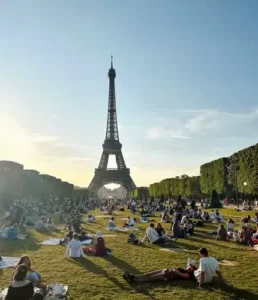
Today, the Eiffel tower welcomes millions of visitors every year, making it one of the most visited paid monuments on Earth.
Visitors can explore multiple observation decks, enjoy restaurants with panoramic views, and admire spectacular light displays every evening. The tower undergoes regular maintenance, including fresh coats of paint approximately every seven years, ensuring it remains in excellent condition for future generations.
11. Fun Facts About the Eiffel Tower
Here are some interesting facts you may not know:
- The tower weighs approximately 10,100 tons.
- It was once the tallest structure in the world.
- The sparkling lights appear for five minutes every hour after sunset.
- Over 7 million people visit annually.
- The tower has been featured in countless movies, books, and television shows.
- There is a small apartment at the top that Gustave Eiffel used to entertain distinguished guests.
- These fascinating details make the Eiffel tower even more remarkable.
12. Conclusion
The history of the Eiffel tower is a story of courage, creativity, and perseverance. What began as a temporary attraction for a world’s fair eventually became the defining symbol of Paris and one of humanity’s greatest engineering achievements. Despite early criticism, the tower proved that bold ideas often become timeless treasures.
Whether you visit the Eiffel tower in person or admire it from afar, the monument continues to inspire millions with its beauty, history, and enduring legacy.
Frequently Asked Questions (FAQs)
1. Why was the Eiffel Tower built?
The Eiffel tower was built for the 1889 World’s Fair to celebrate the 100th anniversary of the French Revolution and demonstrate France’s engineering excellence.
2. Who designed the Eiffel Tower?
The tower was created by engineers Maurice Koechlin and Émile Nouguier, refined by architect Stephen Sauvestre, and built under the leadership of Gustave Eiffel.
3. Was the Eiffel Tower always meant to stay in Paris?
No. It was originally planned as a temporary structure that would be removed after about 20 years, but its value for scientific research and communications saved it.
4. How long did it take to build the Eiffel Tower?
Construction lasted from January 1887 to March 1889, taking just over two years to complete.
5. Why is the Eiffel Tower famous today?
The Eiffel tower is famous because of its remarkable history, innovative engineering, breathtaking views, and status as the world’s most recognizable symbol of Paris and France.
—>History and visiting the Louvre museum